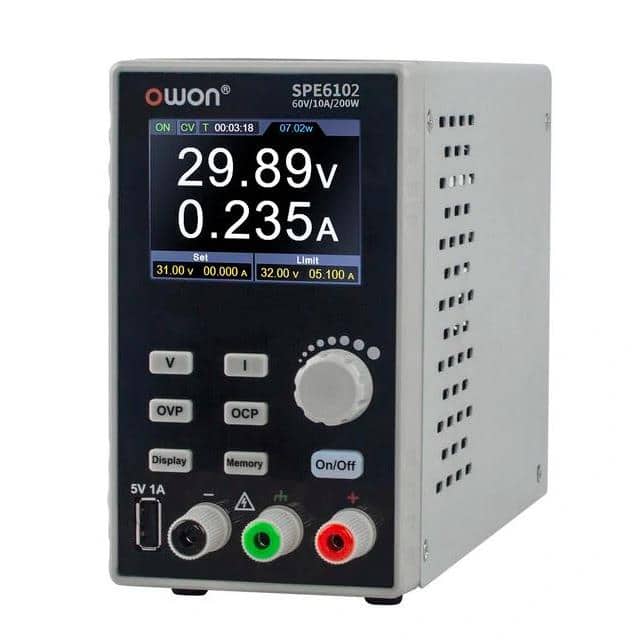
In the world of electrical systems, particularly lighting, the choice of power supply or LED driver is critical for the proper functioning of LEDs. Though they might seem similar, the two components serve different roles. A power supply is a broader concept that provides power to many types of electrical devices, while an LED driver is a specialized power source designed specifically to power LEDs and ensure they operate at optimal performance.
What is a Power Supply?

A power supply is an electrical device that converts alternating current (AC) into direct current (DC), which is needed to run most modern electronics. Power supplies are universal components in electrical systems and can power various devices such as computers, phones, and LED lights. However, power supplies are designed with voltage regulation in mind, and while they can provide a steady voltage, they don’t regulate current, which can be problematic when used with LEDs.
What is an LED Driver?

An LED driver, on the other hand, is designed specifically for LEDs. Unlike traditional power supplies, LED drivers provide constant current to LEDs, ensuring that they receive the right amount of power for stable, flicker-free operation. LED drivers also regulate voltage, which ensures that LEDs function at their optimum brightness levels and last longer.
In short, while a power supply might be a general-purpose solution, an LED driver is engineered to meet the unique needs of LEDs, offering energy efficiency and extended lifespan.
Why You Need an LED Driver for LEDs
LEDs are different from traditional light sources like incandescent or fluorescent bulbs. Here’s why a LED driver is essential for ensuring that your LEDs perform at their best:
LEDs Require Constant Current
Unlike incandescent bulbs that rely on a simple flow of current, LEDs need to operate with a constant current to maintain a consistent level of brightness. Without proper current regulation, LEDs can flicker, overheat, or fail prematurely. An LED driver is engineered to provide this stable current to ensure the longevity and reliability of LEDs.
Optimal Efficiency and Longevity
LED drivers also improve energy efficiency. Since LED drivers regulate both current and voltage, they ensure that energy is delivered to the LEDs as efficiently as possible. This reduces energy waste and helps keep electricity costs low.
LED drivers also play a major role in increasing the lifespan of LEDs. When LEDs are powered using the correct driver, they experience less stress, which ultimately results in longer operational lifespans, up to 50,000 hours or more in some cases.
Minimizing Heat Build-up
LED drivers often include built-in features like heat dissipation mechanisms to prevent excessive heat from building up. Overheating is one of the primary causes of LED failure, and an LED driver mitigates this risk by managing the temperature of both the LED and the driver itself.
also read : Types and Applications of LED Drivers
Key Differences Between a Power Supply and an LED Driver
When deciding between a power supply and an LED driver, it’s important to understand the technical differences that can impact the performance and longevity of your LED system. Here’s a side-by-side comparison:
| Feature | Power Supply | LED Driver |
|---|---|---|
| Function | Converts AC to DC voltage. | Regulates both voltage and current for LEDs. |
| Current Regulation | Does not regulate current. | Provides constant current to the LED. |
| Voltage Regulation | May regulate voltage, but not current. | Regulates both voltage and current. |
| Efficiency | May be moderate; not designed for LEDs. | Optimized for LEDs, with higher efficiency. |
| Use Case | General-purpose electronics. | Lighting applications, particularly LED systems. |
| Heat Management | No specific heat regulation. | Includes advanced heat management features. |
| Life Span of Component | Dependent on load and design. | Extended lifespan with stable current and voltage. |
| Common Issues | Overheating, voltage mismatch. | Overheating, compatibility issues if not properly matched to LEDs. |
Power Supply:
Voltage Regulation: Power supplies are designed to provide consistent voltage, but they do not regulate current, which is essential when dealing with LEDs. LEDs require a constant flow of current for optimal performance, and this is where power supplies fall short.
Usage: Power supplies are used to power a variety of electronic devices, from computers to printers to low-power LED systems that do not require constant current regulation.
LED Driver:
Current and Voltage Regulation: An LED driver regulates both current and voltage for LEDs, ensuring the LEDs get a consistent level of power, which is vital for preventing flicker and other performance issues.
Energy Efficiency: LED drivers are engineered to maximize energy efficiency, delivering only the amount of power needed by the LED, which reduces wasted energy and electricity bills.
Use Case: LED drivers are indispensable in any application involving LED lighting, whether it’s in street lighting, commercial buildings, or residential areas.
When to Use a Power Supply and When to Use an LED Driver
Choosing the right component depends on the application and the type of LEDs used. Here’s a breakdown of when to use a power supply and when to opt for an LED driver.
When to Use a Power Supply:
Low-Power LEDs: For LED systems that don’t require complex current regulation, such as simple decorative lights or low-power lighting applications.
General Electronic Devices: Power supplies are suitable for powering a range of devices that do not rely on current regulation, such as cell phones, computers, and other low-power electronics.
Cost-Effective Solutions: If your system does not require the precise control offered by an LED driver, using a power supply can be a more affordable option.
When to Use an LED Driver:
High-Power LEDs: For high-performance lighting systems, such as street lighting, architectural lighting, or industrial applications, an LED driver ensures optimal performance and longevity.
Constant Current Needs: When your LEDs require precise current regulation to avoid flickering and ensure stable operation, an LED driver is a must-have.
Energy-Efficient Installations: If minimizing energy usage and extending the lifespan of your LEDs are a priority, an LED driver should be used, as it maximizes energy efficiency and ensures the LEDs operate within their designed parameters.
Common Mistakes and How to Avoid Them
Choosing the wrong power source for your LEDs can lead to inefficiency, reduced lifespan, and higher costs. Here are some common mistakes and how to avoid them:
Mistake 1: Using a Power Supply Instead of an LED Driver
Problem: Power supplies do not regulate current, which can cause LEDs to flicker, overheat, or burn out prematurely.
Solution: Always use an LED driver for any LED lighting system to ensure the LEDs receive the correct current.
Mistake 2: Selecting an Incompatible LED Driver
Problem: Choosing an LED driver that does not match the LED's voltage or current requirements can lead to poor performance or even damage to the LEDs.
Solution: Carefully check the voltage and current ratings of both the LED and the driver before making a purchase.
Mistake 3: Ignoring Heat Dissipation Needs
Problem: LEDs and drivers can generate heat, and without proper heat dissipation, both the driver and the LED can fail prematurely.
Solution: Ensure that both the LED driver and the LED system have adequate heat management features, such as heatsinks or passive cooling systems.
Mistake 4: Not Considering Future Upgrades
Problem: Some users select power supplies or drivers based solely on immediate needs without considering future expansions or upgrades to the LED system.
Solution: When choosing an LED driver, select one that can handle future upgrades and potential increases in power requirements.
Conclusion
Choosing between a power supply and an LED driver isn’t just about whether you need to power an LED — it’s about ensuring that the LED performs efficiently, lasts longer, and consumes less energy. LED drivers are designed to meet the unique needs of LEDs by providing constant current and voltage regulation, making them the best choice for most LED applications.
While a power supply may suffice for simple, low-power applications, using an LED driver ensures that you’re getting the best performance out of your lighting system, especially in high-power or energy-efficient installations.
Investing in the right power source for your LEDs is an investment in the future of your lighting system, ensuring energy efficiency, longevity, and optimal performance over time.