In the ever-evolving landscape of industrial automation and electrical systems, the solid-state contactor has emerged as a game-changing component, providing distinct advantages over traditional mechanical contactors. This article delves into what solid-state contactors are, how they function, their benefits, applications, and best practices for use and maintenance.
Understanding Solid-State Contactors
What is a Solid-State Contactor?

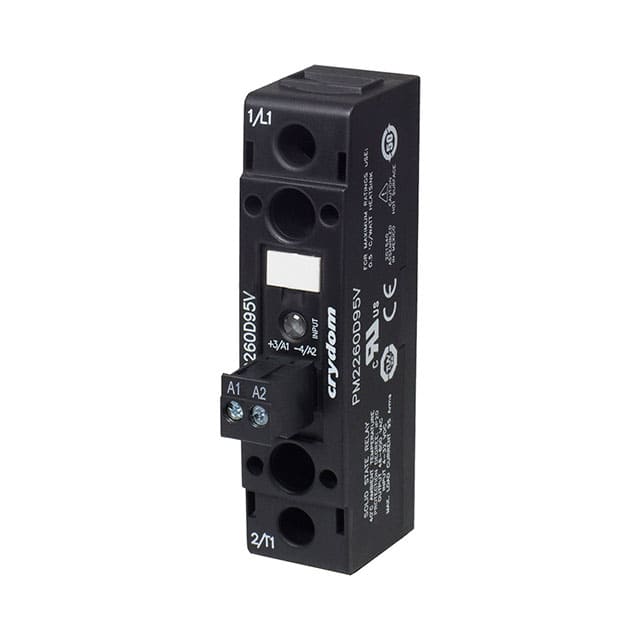
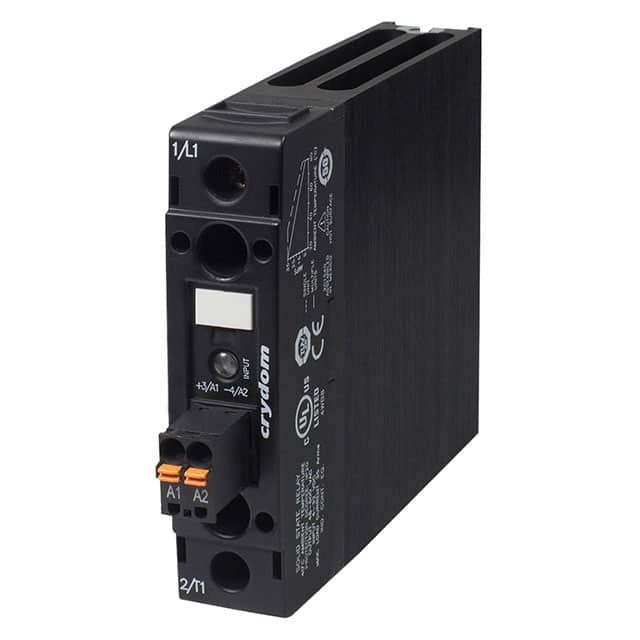
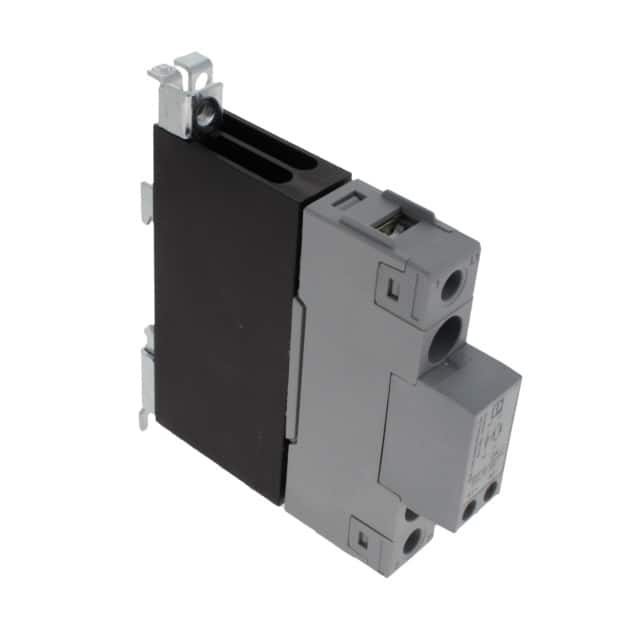
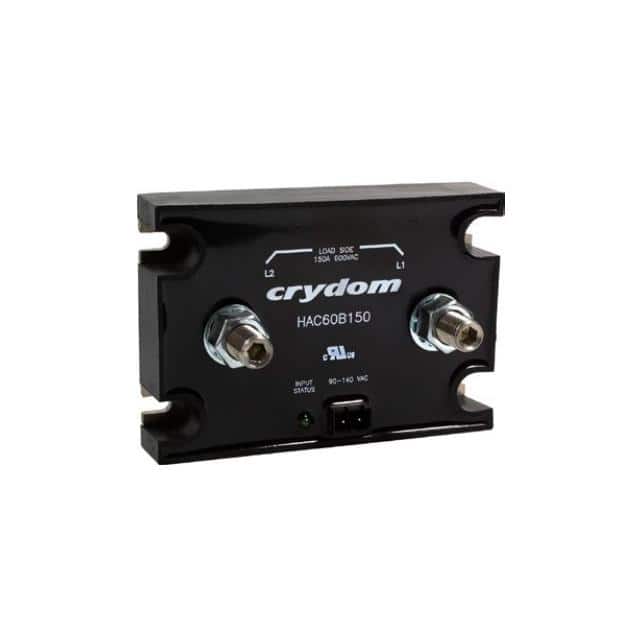
A solid-state contactor is an advanced switching device used in electrical circuits to control the flow of electricity, without relying on physical moving parts, unlike traditional mechanical contactors. Instead, it uses semiconductor materials (such as thyristors, TRIACs, or MOSFETs) to switch the current on and off. The absence of moving parts offers several advantages, including faster operation, increased durability, and improved reliability.
Solid-state contactors are primarily used in environments where quick, precise, and frequent switching is required, including industrial automation, HVAC systems, and motor control. Because of their inherent reliability and efficiency, they are often favored in applications where mechanical contactors would face issues such as wear and tear or slow response times.
How Do Solid-State Contactors Work?

A solid-state contactor functions by controlling the flow of electricity through its semiconductor components, such as thyristors or MOSFETs. These components are designed to handle the high current required for industrial applications while maintaining precise control.
The primary function of a solid-state contactor is to switch the electrical circuit on and off. This is accomplished without any physical movement, as the semiconductor material can change its state based on the input voltage, which is typically controlled by a low-voltage signal. When the control signal is applied, the semiconductor material conducts electricity, allowing current to pass through the load. When the control signal is removed, the current flow is interrupted.
Solid-state contactors are extremely fast, providing switching times in milliseconds compared to the slower response times of mechanical contactors. This makes them ideal for high-frequency switching applications, where reliability and speed are crucial.
Key Components of Solid-State Contactors
The main components that make up a solid-state contactor include:
Semiconductor devices: Typically SCRs (Silicon Controlled Rectifiers), TRIACs, or MOSFETs. These components form the core of the contactor, as they control the flow of electricity.
Heat management systems: As solid-state devices can generate heat, effective heat dissipation is crucial for ensuring proper operation and longevity.
Control circuitry: The control circuitry monitors the input signal and adjusts the semiconductor devices accordingly to open or close the circuit.
These components work together to enable fast, reliable switching without the physical degradation that mechanical contacts experience over time.
Benefits of Solid-State Contactors Over Mechanical Contactors
When compared to traditional mechanical contactors, solid-state contactors offer several advantages:
Durability: Since solid-state contactors have no moving parts, they are more resistant to wear and tear. Mechanical contactors rely on physical contacts that can wear out, leading to eventual failure. Solid-state contactors can last much longer, with fewer failures and less maintenance required.
Speed: Solid-state contactors switch much faster than mechanical contactors. This is crucial in applications requiring frequent or high-speed switching, such as in modern automated systems or high-frequency motor control.
Reliability: Solid-state contactors are more reliable in environments with vibrations, shocks, or extreme temperatures. Mechanical contactors, on the other hand, are prone to malfunction due to the physical movement of their contacts.
Silent Operation: Solid-state contactors operate silently, unlike mechanical contactors, which often generate a noticeable "clicking" sound during operation.
Cost and Energy Efficiency of Solid-State Contactors
Although solid-state contactors can be more expensive upfront than mechanical contactors, they offer significant long-term savings in terms of maintenance and energy efficiency.
Maintenance Savings: Solid-state contactors do not suffer from the mechanical wear and tear that mechanical contactors do. This reduces the frequency of repairs and replacements, saving businesses money in the long run.
Energy Efficiency: Solid-state contactors are more energy-efficient due to their faster switching times and reduced power losses. Their high-speed switching ensures less energy is wasted in the form of heat, making them an excellent choice for energy-conscious industries.
Applications of Solid-State Contactors
Solid-state contactors are widely used in industries where precise, reliable, and frequent switching is required. Some common applications include:
Industrial Automation: In modern automation systems, where speed and precision are essential, solid-state contactors are used in PLC-controlled circuits for controlling motors, lights, and other devices.
HVAC Systems: They are used for controlling compressors, fans, and other components in heating, ventilation, and air conditioning systems.
Motor Control: Solid-state contactors are ideal for controlling electric motors in various applications, from conveyors to industrial machinery.
Renewable Energy: Solar and wind energy systems use solid-state contactors to manage the flow of electricity from renewable sources to the grid.
Usage in Critical Environments
Solid-state contactors are particularly beneficial in critical environments that require constant and reliable switching. They are commonly found in:
Military and Aerospace Applications: These environments demand high reliability and resilience to vibrations, shocks, and extreme temperatures.
Oil and Gas: Solid-state contactors can handle the harsh operating conditions in the oil and gas industry, ensuring that electrical circuits are protected even in the most challenging environments.
Common Errors and Troubleshooting for Solid-State Contactors
While solid-state contactors are highly reliable, they are not immune to issues. Some common problems include:
Overheating: Solid-state devices can overheat if not properly managed. Ensure that heat sinks or cooling systems are in place to prevent damage.
Incorrect Wiring: If the wiring is not correctly installed, the contactor may fail to operate or may malfunction.
Control Signal Issues: Inconsistent control signals or incorrect voltage can prevent the contactor from functioning correctly.
How to Ensure Longevity of Solid-State Contactors
To ensure that solid-state contactors operate effectively and last longer, consider the following tips:
Proper Cooling: Always ensure that the solid-state contactor has sufficient cooling to prevent overheating. This might involve using heat sinks or dedicated cooling systems.
Regular Inspections: Periodically inspect the device for signs of wear or damage to the control circuitry or semiconductor components.
Avoid Overloading: Always ensure that the solid-state contactor is appropriately sized for the load it is controlling to prevent excessive strain on the device.
Conclusion
In conclusion, solid-state contactors are a superior alternative to traditional mechanical contactors in many modern applications. Their fast switching times, reliability, and durability make them an excellent choice for industrial automation, HVAC systems, motor control, and other applications that demand high performance. By understanding their functionality, benefits, and common troubleshooting techniques, professionals can maximize the performance and longevity of their solid-state contactors, ensuring optimal operation and reduced maintenance costs. As industries move toward more automated and efficient systems, solid-state contactors will continue to play a critical role in enhancing operational reliability and energy efficiency.