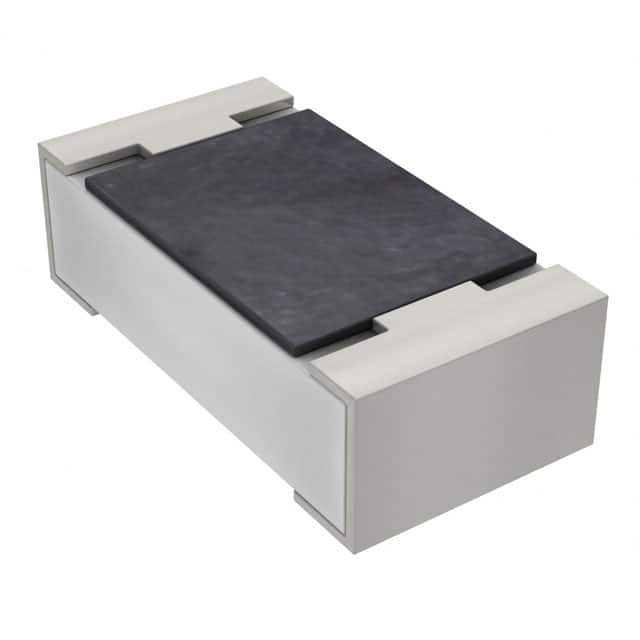
Choosing the right capacitor for your air conditioning system can make a significant difference in its efficiency and lifespan. In this article, we explore the essential parameters that affect capacitor performance, from capacitance and voltage ratings to temperature tolerance and dielectric materials. By understanding these factors, you’ll be equipped with the knowledge to select the best capacitor, ensuring your system operates smoothly and efficiently for years to come.
What Are AC Unit Capacitors ?
Capacitors store and release energy to help your AC’s motor start and maintain operation. Without a capacitor, the motor may struggle to get going or run inefficiently.
There are two primary roles:
Start capacitors give the motor an initial boost to start.
Run capacitors help the motor stay efficient while it’s running.
Dual capacitors are space-saving and cost-effective, but they can fail more dramatically, making separate start and run capacitors a better choice for high-performance systems.
Types of AC Unit Capacitors

it’s essential to understand the different types available. Capacitors serve distinct roles in your system, whether it’s helping the motor start or maintaining its operation. Here’s a breakdown of the different capacitor types and how they work:
Start Capacitors
Start capacitors provide a burst of energy to get the motor up and running. They are designed for short-term use, only activating when the motor starts. Once the motor reaches a certain speed, the start capacitor is disconnected from the circuit, and the run capacitor takes over.
Key Features:
- High capacitance, typically 70 µF to 200 µF.
- Used for high-torque motors that need extra power to start.
- Disconnected from the circuit once the motor starts.
Common Applications:
- Compressor motors in air conditioning units.
- Pumps and fans with intermittent use.
Run Capacitors
Run capacitors remain in the circuit during operation, continuously providing energy to the motor to ensure smooth and efficient performance. They are essential for maintaining the efficiency of motors during normal operation.
Key Features:
- Lower capacitance, typically 1 µF to 80 µF.
- Used for continuous power delivery to the motor.
- Remain in the circuit once the motor is running.
Common Applications:
- Fan motors.
- Compressors in continuous operation.
Dual Capacitors
A dual capacitor combines both start and run capacitor functions into a single unit, making it ideal for space-saving and cost-effective solutions. Dual capacitors are especially common in modern air conditioning units.
Key Features:
- Combines start and run capacitance in a single capacitor.
- Typically used for residential or compact systems where space is limited.
- Simplifies installation by reducing the number of components.
Common Applications:
Standard air conditioning units where both functions are required.
Systems requiring compact design and ease of installation.
| Capacitor Type | Capacitance Range | Function | Advantages | Disadvantages |
|---|---|---|---|---|
| Start Capacitor | 70 µF – 200 µF | Provides initial power to start motor | High initial power, necessary for motor startup | Only used for short duration, disconnected after motor starts |
| Run Capacitor | 1 µF – 80 µF | Provides continuous power to motor | Maintains efficiency, improves motor operation | Can wear out over time, requires more maintenance |
| Dual Capacitor | Combined start and run capacitance | Combines both functions in one unit | Space-saving, simplifies installation | If it fails, both start and run functions are compromised |
Key Parameters About AC Unit Capacitors
The performance, lifespan, and reliability of a capacitor depend on several critical factors: capacitance (µF), voltage rating (V), tolerance, equivalent series resistance (ESR), equivalent series inductance (ESL), temperature rating, and dielectric materials. Here’s a breakdown of these important parameters and how they impact your capacitor’s functionality.
Capacitance (µF/MFD): The Energy Storage Capacity
Capacitance refers to the capacitor's ability to store electrical charge. It is essential to match the correct capacitance to your system's needs to ensure proper motor startup and continuous operation.
Typical Capacitance Ranges:
Air Conditioning Units: 5 µF to 80 µF
Compressor Motors: 5 µF to 100 µF
Ensure the capacitance matches your system’s requirements. Too low a capacitance can prevent the motor from starting, while too high a capacitance can lead to overheating and reduced efficiency.
Voltage Rating (V): The Maximum Tolerable Voltage
The voltage rating indicates the maximum voltage the capacitor can safely withstand. Exceeding this voltage can damage the capacitor and shorten its lifespan.
Typical Voltage Ratings: 250V, 370V, 440V, and sometimes up to 600V for industrial systems.
Choose a capacitor with a voltage rating at least 1.5 times your system's operating voltage. For instance, for a system running at 370V, opt for a capacitor rated at 440V.
Tolerance: Acceptable Deviation from Nominal Value
Tolerance is the allowable variation between the capacitor’s actual capacitance and the rated capacitance. A tighter tolerance typically means higher performance and longer lifespan.
Standard Tolerance: Typically ±10% to ±20%, with high-quality models offering ±5%.
Tighter tolerances (±5%) often result in better long-term performance, especially in sensitive or high-efficiency systems.
ESR (Equivalent Series Resistance) and ESL (Equivalent Series Inductance): Internal Resistance and Inductance
The ESR and ESL values indicate internal losses in the capacitor. Low ESR and ESL are critical for efficiency, especially in applications requiring high power or filtering.
Impact of High ESR: High ESR indicates a failing capacitor, causing inefficiency, overheating, and quicker degradation.
For better performance, choose capacitors with low ESR and ESL, especially for noise suppression and efficient operation.
Temperature Rating (°C): Operating Temperature Range
The temperature rating defines the temperature range within which the capacitor operates reliably. Higher temperatures accelerate capacitor degradation, shortening its lifespan.
Standard Temperature Ratings:
85°C for general use.
105°C for systems in harsher environments.
Opt for a capacitor with a 105°C rating if your system operates in high-temperature environments to ensure longer durability.
Lifespan and the "10°C Rule": The Impact of Heat on Longevity
The 10°C rule states that for every 10°C increase in temperature, a capacitor’s lifespan can be cut in half. Effective heat management is essential to extending the capacitor’s operational life.
Key Insight: Ensure proper cooling and ventilation to prevent overheating, which can significantly impact capacitor life.

Here is the curve illustrating the impact of temperature on capacitor lifespan, following the "10°C Rule." The graph shows how the lifespan of a capacitor decreases as the temperature increases, with its lifespan halving for every 10°C rise in temperature. The red dashed line represents the initial lifespan at 0°C
Dielectric Materials: Influence on Performance and Longevity

The dielectric material inside a capacitor affects its performance, longevity, and reliability. Different materials offer specific advantages:
Polypropylene Film Capacitors: Durable with long lifespans (15-20 years) and stability over wide temperature ranges.
Aluminum Electrolytic Capacitors: Common in motor start applications but have shorter lifespans due to electrolyte evaporation.
Ceramic Capacitors: Compact and suitable for small applications, but less stable for AC motors.
Tantalum Capacitors: High-performance but expensive and typically used in specialized applications.
For HVAC systems, polypropylene film capacitors are the most stable and durable choice, offering the best long-term performance.
Key Industry Certifications for AC Capacitors: What to Consider When Buying
When selecting capacitors for air conditioning systems, it’s important to ensure that the product meets the necessary industry certifications. These certifications guarantee that the capacitor complies with safety, reliability, and environmental standards, which are critical factors for making an informed purchase decision.
UL 810 (USA) and CSA C22.2 No. 190 (Canada): These certifications cover capacitors used in AC, refrigeration, and motor-starting applications, ensuring that the capacitor is safe and performs reliably under typical operating conditions.
RoHS (Restriction of Hazardous Substances): For products sold in the European market, compliance with RoHS is crucial. It ensures that the capacitor is free of hazardous materials like lead, mercury, and cadmium, making it safer for the environment and user.
REACH (Registration, Evaluation, Authorisation, and Restriction of Chemicals): While capacitors typically don’t require substance registration, ensuring compliance with REACH regulations helps protect both human health and the environment, especially if the capacitor could potentially release chemicals during use.
AEC-Q200: Though primarily aimed at automotive components, AEC-Q200 emphasizes the need for rigorous testing under extreme conditions, highlighting the importance of durability and reliability. This is especially relevant for those seeking capacitors that can withstand harsh operational environments.
When purchasing an AC capacitor, always check for these certifications to ensure the product meets international standards for safety, reliability, and environmental compliance.
Common AC Unit Capacitor Models and Brands
Common models:
| Model | Type | Capacitance Range | Key Features | Common Applications |
|---|---|---|---|---|
| Dayton 2X778 | Dual Capacitor | 35 µF / 5 µF | Durable, reliable performance, long lifespan | Residential and commercial AC systems |
| Supco SPP6 | Start Capacitor | 70 µF | Affordable, easy to install | Commonly used in compressors and motor start systems |
| GE 97F9115 | Run Capacitor | 30 µF | High-quality materials, long-lasting | Used in HVAC fan motors and compressors |
| Mars 10052 | Dual Capacitor | 35 µF / 5 µF | Cost-effective, space-saving design | Ideal for residential air conditioning systems |
| CapacitorX 5000 | Start Capacitor | 120 µF | High initial power, durable construction | Motors with high torque startup |
Common brands:
| Brand | Popular Models | Strengths | Applications |
|---|---|---|---|
| Dayton | 2X778, 4X886 | High durability, long lifespan, trusted in commercial and residential HVAC systems | Widely used in both residential and commercial AC systems |
| Supco | SPP6, SPP8 | Cost-effective, easy to install, reliable performance | Ideal for compressors, fan motors, and motor start systems |
| GE (General Electric) | 97F9115, 97F9271 | High-quality materials, excellent performance | Preferred for fan motors and compressors in HVAC systems |
| Mars | 10052, 12556 | Space-saving, reliable performance, dual capacitors | Primarily used in residential air conditioning systems |
| CapacitorX | 5000, 6000 | High-performance, durable, suitable for high-torque motors | Best for motors requiring high initial startup power |
When selecting an AC unit capacitor, it's important to choose from reputable brands and models known for their reliability and performance. Below is an overview of some popular AC unit capacitor models and trusted brands.
Step-by-Step Guide to Replacing an AC Unit Capacitor

Replacing an AC unit capacitor is a manageable task if done carefully. Follow these steps to ensure proper installation:
Turn off power: Always disconnect the power to the AC unit to avoid electrical hazards.
Locate the capacitor: Typically, the capacitor is near the compressor or fan motor. Refer to your user manual for exact placement.
Discharge the capacitor: Use a resistor to safely discharge any stored charge in the capacitor.
Remove the old capacitor: Carefully unscrew the old capacitor and disconnect the wires.
Install the new capacitor: Match the terminals of the new capacitor with the old one and secure it in place.
Test the system: Once installed, power the system back on and ensure it operates as expected.
Conclusion
Choosing the correct capacitor is essential for your AC unit’s performance. The right capacitor ensures efficient motor operation, prevents overheating, and extends the lifespan of your system. Always match the capacitor specifications to your system’s requirements, and don’t overlook the importance of proper installation. Regular maintenance and timely capacitor replacements can help keep your AC running smoothly, avoiding costly repairs and improving system efficiency.