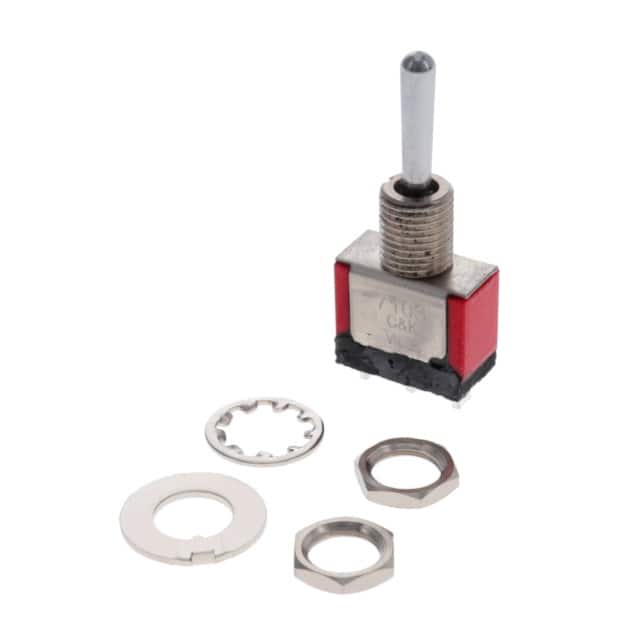
A toggle switch is a type of mechanical switch used to regulate the flow of electricity in an electrical circuit. As opposed to modern push-button or touch-screen switches, toggles feature a physical lever or handle that users move to toggle the circuit on and off; its name derives from its toggle-like action between two distinct states (on and off) whereby its name derives its origins - in this instance the term originated as an old-fashioned wooden rod used as fastening fastener for clothing fasteners - hence its origin as fastener!
What sets toggle switches apart is their simple yet effective design. They use mechanical action rather than delicate electronics for reliable feedback - perfect for applications requiring clear feedback such as household electronics.
Their tactile movement also makes them highly durable and easy to maintain, which makes maintenance a breeze. You will often find toggle switches used across industries where robustness and long-term reliability are key considerations.
Although toggle switches may appear simple in their design, their applications are vast. From turning on lamps to controlling complex machinery, toggle switches provide physical control over electrical circuits while offering both functionality and simplicity in design.
Types of Switches and Their Unique Features
Switches are at the core of many devices and systems, enabling users to control electricity flow with switches. But not all switches are created equal - depending on your need and application you can find several types with distinct characteristics and uses. Here is an overview of some commonly used types:

Push-Button Switches: Push-button switches are one of the simplest types of switches; they function by pressing a button to activate and remain either on or off until pressed again, making these ideal for temporary actions such as doorbells that require momentary connection when activated by pressing.

Toggle Switches: As previously discussed, toggle switches use a simple mechanical lever that users flip or toggle to change the state of a circuit. Their user-friendly nature makes them suitable for numerous applications ranging from consumer electronics to industrial machinery; their size, durability, and ease of operation make them a versatile choice.

Rocker Switches: Rocker switches operate differently from toggle switches in that they rock back and forth to switch between on/off states by rocking back and forth on a pivot point, similar to how a toggle does. Rockers are typically larger and ergonomically designed, making them suitable for more frequent or larger-scale use; examples would include kitchen appliances or larger power strips where smooth action may be preferable.
also read: Rocker Switches: How to Choose and Install

Touch Switches: Touch switches are the newest and most advanced of switches. A light touch is all it takes to activate them, making these switches ideal for modern electronics like smartphones, smart lamps and touch-sensitive appliances. They work by sensing changes in capacitance caused by touching them - making them both user-friendly and sleek in appearance.
The Role of Toggle Switches in Everyday Use
Each switch type offers its own set of advantages, and which you choose will depend largely on the application in which it will be used. From simplicity, durability, or modern functionality - understanding these distinctions helps in making an informed choice that best meets your needs.
One of the primary reasons toggle switches are so widely utilized today is their intuitive functionality: switching between two states such as turning a device on or off, switching settings between modes or shifting operational modes is made easy with toggle switches.
Industrial machinery often employs toggle switches to manage power flow to different sections, enabling operators to quickly switch between different operational states. On consumer electronics devices, toggle switches often control power functions for user convenience when turning devices on or off.
Push-button switches may wear down over time with constant pressing; toggle switches withstand frequent use without significant wear and tear - an asset in environments requiring long-term reliability, such as manufacturing facilities, automotive applications or even aerospace technology.
Understanding DPDT Switches
A Double Pole Double Throw (DPDT) switch is an advanced type of switch used for more complex circuits, featuring six terminals: two input terminals and four output terminals with each pole being capable of switching between two circuits and creating four distinct output connections.
They're commonly found in high-end audio equipment, motor controls and even in reversed the polarity motors for added control over complex circuits with maximum flexibility and versatility - perfect for applications requiring flexibility and variety!
Toggle Switch vs. Rocker Switch: An Analytic Comparison
While both toggle switches and rocker switches serve a similar function of controlling on/off states of circuits, they have some distinct distinctions in design and application that warrant consideration.
Toggle Switches: These switches are typically compact and designed for more precise operations, utilizing lever movement either up-and-down or left and right to change circuit states. This mechanical action provides tactile feedback, making toggle switches an excellent choice in applications where physical feedback from switch movements are essential. They're also easier to seal against dirt and debris accumulation than their alternatives - ideal for more rugged environments.
Rocker Switches: Rocker switches differ in that they typically use tilting or rocking action to operate. Their mechanism provides smoother control for greater ergonomic use in environments like home appliances or power strips where users interact frequently with them; their larger size makes them easier for daily use but may take up additional space in compact setups.
Which switch is better depends on its intended application. Toggle switches tend to be preferred in industrial, automotive and military settings where durability, reliability, compactness and compact design are paramount; on the other hand, rocker switches tend to work better for consumer electronics where ease-of-use and ergonomic design are more paramount.
Toggle Switch Vs Button Switch: Key Differences
While toggle and button switches both serve the purpose of switching between two states, their designs and functions vary significantly. A toggle switch can be operated by flicking a lever or handle; this gives physical feedback which provides clear indication of its state for applications requiring clear indication. Button switches are more passive; their design and function entail different mechanisms.
Button switches are frequently found in digital or user interface-based applications. Pressing one of these buttons toggles between states, commonly seen on touchscreen devices such as smartphones or computers. Their operation relies less on mechanical parts than digital.
Common Switches in Residential Wiring
play an indispensable role in controlling electrical flow within homes and ensuring its safety and convenience, with single-pole switches, three-way switches, and double-pole switches being among the most commonly used varieties in this regard.
Single-pole switches are the easiest switch type to use and install, making them the go-to solution for basic on/off control in homes. A two-terminal single-pole switch offers incredible ease of installation; making this solution the most popular.
Three-way switches can be useful if you need to control lighting from multiple locations, such as at both ends of a staircase. They do not feature an on or off indicator because they work together with another three-way switch.
A double-pole switch is designed for high-power applications, such as controlling large appliances like dryers or water heaters. It enables you to manage two circuits at the same time for enhanced control over higher voltage systems.
Alternatives to Toggle Switches
Sometimes toggle switches may not be the most suitable solution for an application and other alternatives may be considered instead. Checkboxes can be useful when users need to select multiple options in a system or app. Radio buttons provide users with one single selection from among many alternatives, like surveys or forms.
Sliders offer an effective method for gradually changing settings. Users can control various values with sliders such as volume or screen brightness for greater nuanced control than using simple toggle switches.
Conclusion
Toggle switches are a staple in electrical control systems for their ease of use and reliability; however, there are various alternatives and variations available to meet individual requirements. Understanding the differences among toggle, rocker, push-button or touch switches enables you to make an informed decision for any given application - whether in homes, businesses or industrial settings; selecting the proper switch can greatly enhance functionality as well as user experience.